Architecture is shaped by more than the act of building. It begins with how we observe, what we remember, and how we experience the world around us.
The Journal is an ongoing collection of thoughts, reflections, and explorations on architecture, inhabitation, material, nature, and time. It brings together ideas that inform the practice, questions that emerge through its work, and conversations that continue beyond the built form.
The Space Between Shelter and Belonging
J°04 September 2026 Reflection
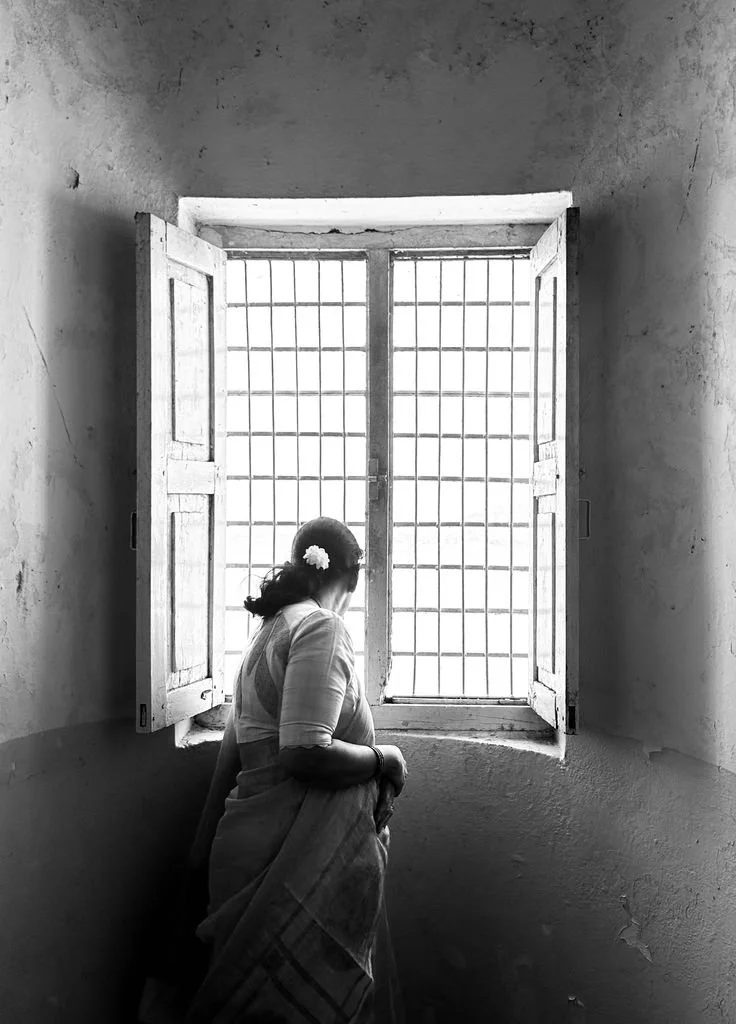
When does a place begin to feel like home?
A roof can shelter us, and walls can protect our privacy. But what makes one place feel like home while another remains simply somewhere we live? Often, it is the ordinary things: a familiar threshold, a daily ritual, a courtyard filled with memories or a space shared with people we love.
This reflection explores how architecture becomes meaningful through inhabitation, and how the spaces we occupy can gradually become places to which we feel connected.
The Space Between Shelter and Belonging
When does a place begin to feel like home?
A roof can protect us from rain. Walls can provide privacy. A door can establish a boundary between the public world and the private one.
These are the essential functions of shelter. They make inhabitation possible, but they do not fully explain why some places become deeply meaningful to us while others remain simply places in which we live.
A house can be carefully designed, generously proportioned and filled with beautiful materials, yet still feel unfamiliar. Another can be modest, worn and imperfect, but carry a sense of comfort that is difficult to reproduce elsewhere.
The difference may have little to do with appearance.
A place becomes meaningful through the relationship we develop with it. Through repeated actions, familiar surroundings, shared experiences and the memories that gradually become attached to its spaces.
Between shelter and belonging lies the life that happens within architecture.
The beginning of home
Shelter begins with the need for protection. Belonging develops through experience.
A room becomes familiar as we move through it each day. A window becomes important because of the view it frames. A threshold becomes associated with arriving, waiting or greeting someone. A courtyard becomes part of a family's life through the conversations, celebrations and ordinary moments it holds.
These relationships are rarely designed as finished experiences. They emerge gradually, often without anyone consciously deciding that a particular corner, room or view will become meaningful.
Architecture provides the physical setting. Life gives it significance.
This is why belonging cannot be reduced to a particular architectural style. It cannot be guaranteed through traditional materials, familiar forms or carefully arranged objects alone. These elements may contribute to a sense of recognition, but belonging develops through how people actually inhabit a place.
A home is not simply a building that resembles our idea of home. It is a place in which we begin to establish our own relationship with the world.
The architecture of memory
Memory often attaches itself to ordinary things.
A familiar doorway, the sound of rain on a roof, sunlight entering a room at a particular hour or the smell of wet earth in a courtyard can bring a place back to us with remarkable clarity.
These details may seem insignificant when they are first experienced. Their meaning grows through repetition and association. A space becomes linked to people, events and periods of life, until its physical qualities cannot be separated easily from the memories it holds.
The same building may carry different meanings for different people. A staircase may remind one person of childhood, another of daily work and someone else of a moment of departure. Architecture does not determine these memories. It becomes the setting in which they take shape.
This is also why the removal of an old building can mean more than the loss of its physical structure. It may remove familiar relationships between people and place, including memories that cannot be reconstructed through a new building alone.
Preservation is not always possible or appropriate. Buildings must remain safe, useful and responsive to changing needs. But understanding what a place means to its occupants can help us make better decisions about what should change and what deserves to remain.
Rituals that make a place ours
Belonging grows through the repeated activities of everyday life.
The morning cup of tea. The familiar seat near a window. The preparation of food. The gathering of family members at the end of the day. The veranda where neighbours stop to talk. These rituals establish a rhythm between people and the spaces they occupy.
Architecture can support these activities without dictating exactly how they should happen.
A kitchen can accommodate the different ways a family prepares and shares food. A threshold can allow a conversation to continue between inside and outside. A courtyard can provide room for celebration, play and everyday work. A window seat can offer a place for solitude without separating the occupant completely from the world beyond it.
The spaces that support these rituals need not be elaborate. Their importance lies in how well they accommodate the realities of daily life.
A building becomes familiar when people can adapt it to their habits, make it their own and return to it without having to reconsider how they belong there.
Beyond the individual home
Belonging extends beyond the walls of a house.
It develops through neighbourhoods, shared streets, community spaces and the relationships between private and public life. A shaded edge can encourage people to stop and speak. A shared courtyard can create opportunities for different generations to meet. A street that accommodates walking and everyday activity can become part of how a community understands itself.
These spaces do not automatically create strong communities. Social relationships depend on many conditions beyond architecture. But the design of shared places can either support opportunities for interaction or make them more difficult.
The boundary between private and public life is particularly important. A threshold can provide privacy without complete separation. A veranda can connect a home to the street while retaining a sense of enclosure. A shared open space can offer both gathering and moments of withdrawal.
These in between spaces allow relationships to develop gradually. They create opportunities for encounters that are neither entirely planned nor entirely accidental.
Belonging, in this sense, is not only about having a place of one's own. It is also about feeling connected to the places and people beyond it.
Making room for belonging
Architecture cannot manufacture attachment. It cannot guarantee that a building will become a home or that a shared space will create a community.
What it can do is remain attentive to the conditions through which these relationships may develop.
It can respond to the character of a place, respect the patterns of life already present and provide spaces that accommodate changing needs. It can recognise the value of familiar relationships, allow for adaptation and avoid treating every site as an opportunity to begin without reference to what came before.
At Studio Breath, belonging is understood as something that emerges through inhabitation. It grows as people use spaces, establish routines, form relationships and make places part of their lives.
This understanding changes the purpose of architecture. The aim is not simply to produce a building that is complete in appearance, but to create places that remain open to the experiences of those who will inhabit them.
A meaningful place does not need to demand attention. It may become important precisely because it quietly supports the ordinary moments through which life takes shape.
Perhaps this is the space between shelter and belonging.
It is where protection becomes familiarity, where repeated actions become memory and where a building becomes connected to something beyond its physical form.
A place begins to feel like home when it is no longer simply somewhere we occupy, but somewhere we recognise ourselves as belonging to.
And perhaps this is why Studio Breath exists: to create architecture that does more than shelter life, allowing people to develop a deeper relationship with themselves, one another and the world they inhabit.

The Measure of Silence
J°03 August 2026 Reflection
What does a space allow us to notice?
In a world that constantly competes for our attention, a quiet room, a shaded courtyard or a window framing a tree can offer something rare: a moment to pause. Silence in architecture is not necessarily the absence of sound. It may be the presence of enough space and calm to notice what would otherwise go unseen.
This reflection considers how light, sound, movement and restraint can shape our experience of a place, and how architecture can make room for attention without demanding it.
The Measure of Silence
What does a space allow us to notice?
We live among competing demands for our attention.
Traffic, conversations, notifications, advertisements and the constant movement of everyday life make it increasingly difficult to remain with a single thought or experience. Even when we enter a building, our attention is often directed towards what is visible, what is useful or what asks to be noticed.
Architecture can add to this noise. Spaces may compete through their forms, finishes, visual statements and insistence on being seen.
But architecture can also offer something different.
A quiet room. A shaded courtyard. A narrow passage that opens towards the sky. A window that frames a tree. These spaces do not necessarily demand attention. Instead, they allow attention to settle.
Perhaps silence in architecture is not simply the absence of sound. It is the presence of enough space, calm and clarity for us to notice what would otherwise go unnoticed.
The value of a pause
A pause is not an absence of activity. It is a moment in which activity can be understood differently.
We experience this when we step out of a busy street into a quiet courtyard, when we sit beside an open window after rain or when we enter a room where daylight falls gently across a wall. The world has not stopped moving. Our relationship with it has changed.
Architecture can create these moments through the arrangement of space.
A corridor can slow movement before opening into a larger room. A low threshold can make the transition between two spaces perceptible. A courtyard can offer an interval between the intensity of the outdoors and the privacy of the interior. A seat placed towards a garden can invite someone to remain without requiring a particular activity.
These are not merely compositional decisions. They influence how people move, pause, gather and withdraw.
The value of such spaces lies partly in what they do not demand. They leave room for experiences that cannot be prescribed.
Light as a quiet presence
Light is one of the most powerful ways architecture can shape attention.
A room illuminated evenly may allow us to understand its contents immediately. In another room, light may enter through a carefully positioned opening, revealing a wall, a floor or a small part of the ceiling while leaving other areas in shadow.
As the day progresses, the light changes. Its angle shifts, its intensity softens and the surfaces it touches acquire different qualities. The room becomes a place of changing conditions rather than a fixed composition.
This does not mean that darkness is always desirable or that every space needs a dramatic shaft of sunlight. It means that light can be considered as an experience, not merely a technical requirement.
The way light enters a room influences where we look, where we sit and how we understand the depth of a space. It can reveal material texture, establish a sense of time and connect an interior to the changing world outside.
When handled with care, light does not need to become a spectacle. It can quietly make us aware of being present.
Listening to space
Silence is not always silent.
A quiet room may contain the sound of leaves moving outside, footsteps in a corridor, distant voices or rain striking the roof. These sounds remind us that the space is connected to a world beyond its boundaries.
Architecture influences what we hear and how we hear it. Materials absorb or reflect sound. Openings connect rooms to their surroundings. Enclosed spaces can intensify certain sounds, while courtyards and verandas establish different relationships between indoor and outdoor life.
A building that is attentive to sound does not necessarily attempt to eliminate it. Instead, it considers which sounds belong in a space, which should be softened and where acoustic separation is necessary.
A classroom requires conditions that allow students to listen and participate. A home needs places for conversation as well as privacy. A retreat may offer a deeper awareness of rain, wind and birdsong.
The experience of silence depends on context. It is not a single architectural style or a particular material palette. It is a relationship between the space, the sounds around it and the people who occupy it.
Making room for attention
A space cannot tell us what to feel. It can only establish conditions in which certain experiences become possible.
A courtyard may invite contemplation, but it may also become a place for children to play. A quiet room may offer solitude, but it can equally become a place for conversation. Architecture does not need to assign one fixed meaning to every space.
Its role is to provide the clarity, comfort and openness that allow different experiences to unfold.
This requires restraint. Not every surface needs a visual statement. Not every transition needs to be dramatic. Not every room needs to become an object of attention.
Sometimes the most considered decision is to allow a material to remain simple, to frame a view without overwhelming it or to leave a space open to changing light and everyday occupation.
At Studio Breath, the measure of silence is not how completely a building excludes the world. It is how thoughtfully it allows us to encounter that world.
Silence gives us an opportunity to notice light moving across a wall, the sound of rain beyond a window, the presence of another person or even the changing rhythm of our own thoughts.
Architecture becomes meaningful not only through what it adds to our surroundings, but through what it helps us recognise.
Perhaps silence is not the absence of something.
Perhaps it is the space in which something becomes visible.
Building With Time
J°02 July 2026 Reflection
Can a building become more meaningful as it ages?
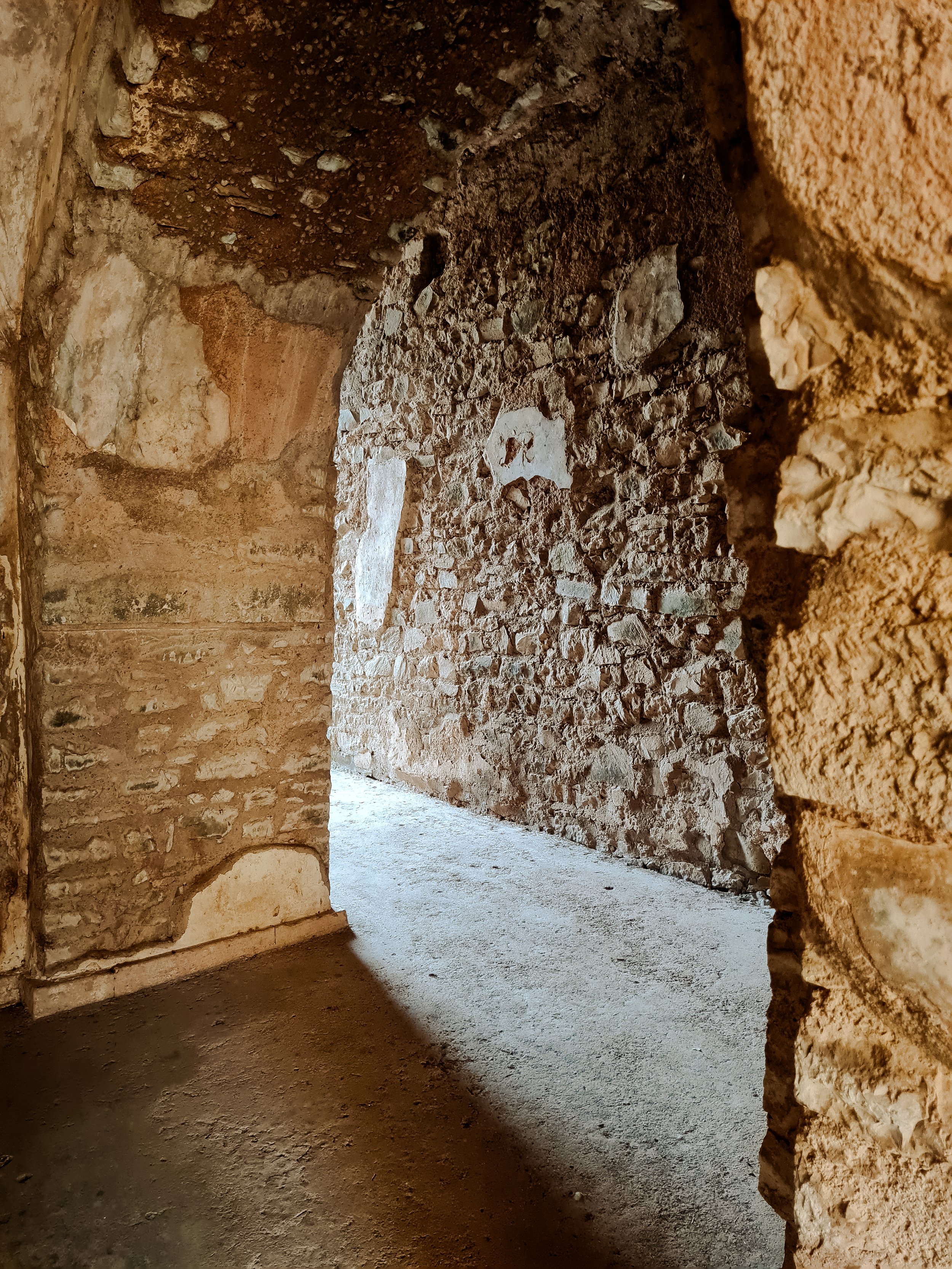
We often celebrate architecture at the moment it is completed, when every surface is new and every detail appears resolved. But a building's life has only just begun. Weather changes its materials, people leave their traces, and everyday use gives its spaces meaning.
This reflection looks beyond the finished image to explore weathering, repair and the quiet responsibility of designing buildings that can continue to serve life long after construction ends.
Building With Time
Can architecture become more meaningful as it ages?
A building is often celebrated at the moment it is completed.
The surfaces are clean, the edges are sharp, the materials appear untouched and the landscape has been carefully arranged. Photographs capture the building in a state of apparent perfection. Every element seems to have reached its intended place.
Yet this is only one moment in the life of a building.
The rooms have not yet gathered the routines of their occupants. The materials have not experienced years of sunlight and rain. The thresholds have not been worn by footsteps, and the walls have not accumulated the traces of everyday life.
The building is new, but its life has barely begun.
We tend to measure architectural success through the quality of this first impression. We ask whether the building looks complete, whether its materials appear flawless and whether its original appearance can be preserved. In doing so, we risk overlooking a more important question.
What happens to a building after we stop looking at it as something new?
The changing life of materials
Every material enters into a relationship with its surroundings.
Stone responds to moisture and temperature. Timber reacts to changes in humidity and sunlight. Copper gradually develops a different surface through oxidation. Plaster acquires marks through contact, exposure and repair.
These changes are not always signs of failure. Some are natural expressions of a material responding to its environment. Others indicate damage that requires attention. The distinction matters.
A weathered surface may possess a depth and character that were absent when it was new. A worn stone threshold may reveal years of use. A timber surface may soften in colour as it responds to sunlight. These changes can make a building feel more connected to the conditions in which it exists.
But ageing should not be romanticised. A leaking roof, a weakened structural connection or a wall damaged by persistent moisture cannot be justified as the beauty of time. Materials need to perform as well as they need to age.
The challenge is to understand how a material behaves, what it requires and how it can be cared for throughout its life.
Choosing a material is therefore also a decision about the future. It determines not only how a building will appear when it is completed, but how it may change over the years.
A building through the seasons
Time is also experienced through the changing relationship between a building and its surroundings.
A courtyard in the morning is different from the same courtyard at noon. The movement of sunlight changes the surfaces it touches. Shadows shift across the floor. Air moves differently through openings as outdoor conditions change.
The monsoon brings another transformation. Rain alters the sound of a roof, darkens stone, fills the air with the smell of wet earth and changes how people occupy the spaces between inside and outside. A veranda becomes more than a covered edge. It becomes a place from which the weather can be experienced without complete exposure to it.
Architecture is not separate from these changes. It participates in them.
The roof redirects rain. The wall receives sunlight. The opening allows air to move. The courtyard frames the sky. A tree changes the quality of shade as it grows.
A building that responds thoughtfully to these conditions can offer different experiences across the day and through the year. It need not remain visually unchanged to retain its identity.
Its character may emerge precisely through its ability to accommodate change.
The importance of repair
Buildings endure not because they remain untouched, but because they are cared for.
A roof tile is replaced. A wall is repaired. A window is adjusted. A damaged component is renewed before the problem spreads. These acts rarely receive the attention given to new construction, yet they are fundamental to the continued life of architecture.
Repair also asks us to reconsider the value of what already exists.
When an existing building no longer meets its occupants' needs, replacement can appear to be the simplest solution. Sometimes it is necessary. But in other situations, careful adaptation can preserve useful materials, familiar spaces and a connection to place that a new building would take years to establish.
The decision should not be based on age alone. It should consider safety, performance, adaptability, resources and the value the building continues to offer.
Designing for repair begins much earlier than the first maintenance problem. It means making components accessible, understanding how materials can be replaced and considering whether future changes can be accommodated without dismantling everything that came before.
It is an acknowledgement that the architect cannot control a building's entire future, but can influence how well it responds to that future.
What remains?
As buildings age, their significance can extend beyond their physical qualities.
A familiar threshold may recall years of arriving home. A courtyard may hold memories of gatherings. A window may become associated with a particular view through many seasons. These meanings cannot be delivered at the moment of construction. They emerge through occupation, repetition and time.
Not every old building becomes meaningful, and age alone does not guarantee architectural quality. But a building that remains useful, adaptable and valued has the opportunity to gather significance beyond its original intention.
At Studio Breath, building with time means considering the life that follows completion. It means asking how materials will weather, how spaces will be occupied, how components will be maintained and how a building might respond to needs that have not yet emerged.
The goal is not to make architecture immune to change. That would be impossible.
The goal is to create buildings that can change without losing what makes them valuable.
Perhaps the measure of a building is not how it looks when it is new, but how well it continues to serve life years later.

Architecture Begins with Breath
J°01 July 2026 Reflection
Where does architecture begin?
Before there were buildings, there was a world to inhabit. Shade offered refuge, sunlight brought warmth, and the landscape taught us how to live within it. Perhaps architecture began not with walls or roofs, but with our body's relationship to the world around us.
This reflection explores how shelter becomes more than protection, how spaces shape the way we feel, and why architecture begins with learning to pay attention to the life already present in a place.
Architecture Begins with Breath
Before architecture, there was a need to belong.
Before there were buildings, there was a world to inhabit.
There was the shade of a tree on a hot afternoon, the warmth of sunlight after a cold night, the shelter of a rock against the wind and the sound of rain approaching across an open landscape. Long before architecture became a discipline of drawings, measurements and construction, people were already learning how to live in relation to their surroundings.
The first acts of building were responses to life. They emerged from the need to find shelter, gather, rest and feel protected. Yet these acts did more than protect the body. They established a relationship between people and the world around them.
A tree offered shade, but it also became a place to gather. A fire provided warmth, but it brought people together. A threshold separated the inside from the outside, yet it also became a place of meeting. What began as a response to necessity gradually acquired meaning through use.
Perhaps this is where architecture begins. Not with a wall or a roof, but with the awareness that the world affects how we live within it.
The body understands space
We experience a place before we begin to describe it.
The coolness of a stone floor beneath our feet, the movement of air through an open window, the sound of rain falling into a courtyard or the quietness of a room filled with soft daylight can influence how we feel long before we consciously notice their architectural qualities.
Our bodies are constantly responding to the spaces around us. We move towards shade, seek warmth, gather near familiar people and withdraw when we need solitude. These responses are not separate from architecture. They are part of the relationship architecture creates between the body and its surroundings.
A room may satisfy every functional requirement and still feel uncomfortable. Another may be modest in size yet invite us to remain. The difference often lies in qualities that cannot be understood through dimensions alone.
Architecture is not experienced only through what we see. It is felt through temperature, sound, touch, movement, light and the changing rhythms of everyday life.
From shelter to atmosphere
Shelter is essential, but shelter alone does not explain the richness of architecture.
A roof protects us from rain. Its height, however, influences how we experience the space beneath it. An opening brings daylight inside, but its position determines how light moves across a room. A wall creates enclosure, but its thickness, texture and relationship with the outdoors can make that enclosure feel either restrictive or reassuring.
Every architectural decision changes more than the physical arrangement of a building. It influences the conditions in which life unfolds.
The natural world offers lessons in this regard. Trees create layers of shade rather than sealed enclosures. The landscape allows different degrees of exposure and protection. Light changes throughout the day, and air moves through spaces that remain open to their surroundings.
Architecture need not imitate these forms. It can learn from the relationships they establish.
The question is not simply how to bring nature into a building, but how to allow the building to remain connected to the conditions that make its place distinctive.
Architecture as a relationship
Every site has its own character. The direction of the sun, the movement of wind, the presence of water, the surrounding vegetation, the texture of the ground and the lives already connected to a place all contribute to its identity.
To begin designing without understanding these conditions is to risk treating the site as an empty surface waiting to be occupied.
Listening becomes an architectural act. It means observing before deciding, asking what already exists before determining what should be added. It means understanding that a building enters a world that is already complete in many ways, even when it is waiting for something new.
At Studio Breath, architecture begins with this relationship between life and place. The intention is not to impose a predetermined image upon every site, but to understand what each context asks of the architecture.
Some places may call for openness, others for enclosure. Some may invite gathering, while others require privacy and retreat. The response changes because the conditions change.
What remains constant is the need to pay attention.
Perhaps architecture begins with breath because breathing connects us to the world without requiring us to think about it. It is an exchange between the body and its surroundings, continuous yet changing.
Architecture, too, can become a quiet extension of this relationship. It can protect without isolating, frame without dominating and offer shelter while allowing life to remain connected to the world beyond its walls.
Before architecture, there was a need to belong.
The question is whether the buildings we create today continue to serve that need.
Studio Breath explores architecture as a relationship between people, place, nature and time.